Meditation and Cellular Coherence: How Contemplative Practice Rewires Your Genes and Rejuvenates Your Cells
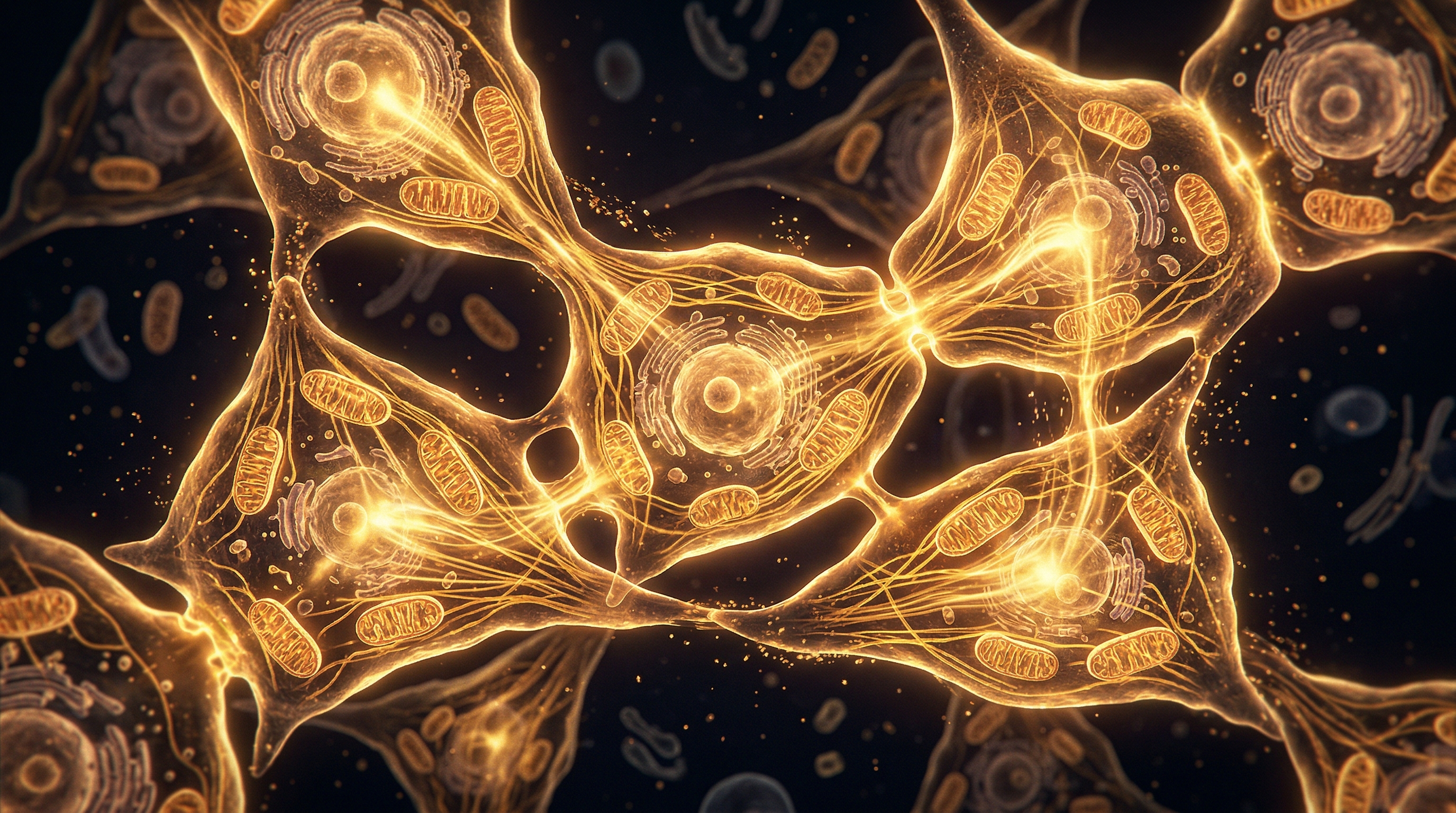
The Cell Biology Revolution in Meditation Research
For thousands of years, contemplative traditions have claimed that meditation transforms not just the mind, but the entire being. Only recently has science begun to validate these claims at the most fundamental level—in your cells, your genes, and your very DNA. The emerging field of neural epigenetics and cellular neuroscience is revealing that meditation doesn't merely feel different; it makes biological differences that accumulate over time, preserving youthful cellular function and reducing disease risk.
What you do with your attention doesn't just change your thoughts—it changes your cells.
This paradigm shift represents nothing less than a new understanding of human potential: through conscious practice, we can actively participate in regulating our biology, influencing which genes are expressed, how efficiently our mitochondria function, and how well our cells maintain their integrity over decades.
Telomeres: The Molecular Markers of Cellular Aging
Telomeres are protective caps at the ends of chromosomes, consisting of repetitive DNA sequences that shorten each time a cell divides. When telomeres become critically short, cells enter senescence or programmed death. Telomere length is therefore a powerful biomarker of biological age and healthspan:
Elizabeth Blackburn's Groundbreaking Research
Nobel Prize winner Elizabeth Blackburn and her colleagues at UCSF conducted a landmark study published in Psychoneuroendocrinology (2011) that fundamentally changed our understanding of meditation and cellular aging:
- Study design: Examined 60 experienced meditators (average 7 years of practice) and 60 non-meditators matched for age, gender, and other demographics
- Key finding: Long-term meditators had significantly longer telomere length than controls, equivalent to being approximately 10-15 years biologically younger
- Dose-response relationship: Years of practice correlated with telomere length, suggesting cumulative benefits
- Telomerase activation: Meditators showed 30-50% higher telomerase activity, the enzyme that maintains and extends telomeres
Mediator Mechanisms
How does meditation protect telomeres? Research points to several interrelated pathways:
- Reduced oxidative stress: Meditation lowers production of reactive oxygen species that damage telomeric DNA
- Decreased inflammation: Chronic inflammation accelerates telomere shortening; meditation reduces pro-inflammatory markers
- Lower cortisol: Elevated cortisol activates pathways that shorten telomeres; meditation downregulates the HPA axis
- Behavioral factors: Meditators tend to exhibit healthier lifestyle choices that independently protect telomere length
The Relaxation Response: Herbert Benson's Legacy
At Harvard Medical School, Dr. Herbert Benson discovered that meditation triggers a physiological state he termed the "relaxation response"—a fundamental counter to the stress response:
The Relaxation Response vs. Stress Response
While the stress response activates sympathetic nervous system, increases cortisol and adrenaline, and mobilizes energy for fight-or-flight, the relaxation response produces opposing effects:
- Metabolic: Decreases oxygen consumption by 20%, lowers respiratory rate, and reduces metabolic workload
- Neuroendocrine: Reduces cortisol, norepinephrine, and epinephrine; increases DHEA and melatonin
- Immune: Enhances natural killer cell activity, improves antibody response, reduces inflammatory cytokines
- Cognitive: Increases alpha brain wave production, improves attention regulation, enhances emotional balance
Long-Term Physiological Changes
Benson's decades of research demonstrate that regular relaxation response practice produces sustained changes:
- Lower baseline blood pressure even outside of meditation practice
- Reduced morning cortisol awakening response
- Improved heart rate variability indicating greater autonomic flexibility
- Decreased visceral fat and improved body composition
Gene Expression: The Epigenetic Revolution
Perhaps the most revolutionary finding in meditation research concerns gene expression. While your DNA sequence doesn't change, which genes are actively transcribed into RNA—and ultimately into proteins—depends heavily on lifestyle factors, including meditative practice.
Bidinger's Landmark Study
A 2017 study by David Black and colleagues at UCLA and University of California examined gene expression changes after a mindfulness meditation course:
- Experimental design: 47 participants completed an 8-week Mindfulness-Based Stress Reduction (MBSR) program or waitlist control
- Massive transcriptional changes: 297 genes showed significant differential expression; 604 genes showed expression changes in predicted directions
- Key finding: Meditation significantly decreased expression of pro-inflammatory genes (COX2, NFκB, TNFα, IL-6β)
- Epigenetic mechanism: Changes correlated with reduced histone methylation and altered DNA methylation patterns
- Pathway specificity: Effects were particularly pronounced in genes involved in inflammation and stress response
Biological Pathways Affected
Meditation influences genes across multiple critical biological pathways:
Inflammatory Regulation
Critical pro-inflammatory genes that meditation downregulates include:
- NF-κB (nuclear factor kappa-light-chain-enhancer of activated B cells)—a master regulator of inflammation
- Cyclooxygenase-2 (COX2)—involved in pain and inflammation
- Tumor necrosis factor-alpha (TNFα)—a potent inflammatory cytokine
- Interleukin-6 (IL-6)—involved in acute phase response but pathogenic when chronically elevated
Chronic elevation of these inflammatory markers is associated with virtually every major disease: cardiovascular disease, Alzheimer's, cancer, autoimmune disorders, and metabolic syndrome.
Hormonal and Metabolic Regulation
Meditation influences genes controlling:
- Cortisol synthesis and metabolism
- Insulin sensitivity and glucose metabolism
- Lipid processing and storage
- Appetite regulation and satiety signaling
Neuroplasticity and Brain Health
Neuroprotective genes that meditation upregulates include those encoding for:
- BDNF (brain-derived neurotrophic factor)—supports neuron survival and growth
- Synaptic proteins that facilitate learning and memory
- Antioxidant enzymes that protect neurons from oxidative stress
- Neurotransmitter synthease enzymes for healthy signaling
Time Course of Epigenetic Changes
Remarkably, epigenetic changes from meditation occur relatively quickly:
- One week: Measurable changes in stress-related gene expression
- Six weeks: Significant reductions in inflammatory gene transcription
- Three months: Sustainable changes in DNA methylation patterns
- Years: Cumulative benefits to telomere length and cellular function
Cellular Inflammation and Disease Prevention
The inflammatory cascade is central to chronic disease, and meditation appears to act as a powerful anti-inflammatory intervention:
Meditation vs. Anti-inflammatory Drugs
Comparative studies suggest meditation's anti-inflammatory effects rival some pharmaceutical interventions without adverse side effects:
- A 2014 meta-analysis in Brain, Behavior, and Immunity found mindfulness meditation reduced CRP (C-reactive protein, a key inflammation marker) by an average of 40%
- This reduction is comparable to low-dose aspirin and exceeds many natural anti-inflammatory compounds
- Unlike NSAIDs, meditation doesn't deplete nutrient stores or damage tissue with chronic use
Clinical Implications
Reduced inflammation translates to reduced disease risk:
- Cardiovascular disease: Lower inflammation reduces atherosclerosis progression, plaque instability, and thrombotic events
- Neurodegenerative disease: Chronic neuroinflammation is implicated in Alzheimer's and Parkinson's; meditation shows neuroprotective effects
- Cancer: While meditation doesn't cure cancer, reduced inflammation may slow tumor growth and improve treatment tolerance
- Autoimmune disease: Modulating inflammatory pathways can reduce flare frequency and severity
- Metabolic disease: Inflammation contributes to insulin resistance; meditation improves metabolic markers
Mitochondrial Function and Energy Optimization
Mitochondria—the power plants of cells—are not only responsible for ATP production but also serve as signaling hubs that influence gene expression, cell death, and aging. Meditation influences mitochondrial function through multiple mechanisms:
Improved Mitochondrial Efficiency
Studies show meditation practitioners exhibit:
- Increased mitochondrial biogenesis: Upregulation of PGC-1α and other master regulators of mitochondrial production
- Enhanced oxidative phosphorylation: More efficient ATP production through the electron transport chain
- Reduced mitochondrial ROS: Lower reactive oxygen species production, reducing oxidative damage
- Better membrane potential: Improved mitochondrial membrane health supports optimal function
Cellular Energy and Longevity
By optimizing mitochondrial function, meditation enhances cellular health:
- Better ATP production supports all cellular functions, from gene expression to ion pumping
- Reduced mitochondrial ROS minimizes DNA damage and acceler aging
- Mitochondrial-mediated apoptosis (cell death) functions properly, eliminating damaged cells
- Overall cellular metabolism becomes more efficient and resilient
The Paradox of Stress and Mitochondria
Chronic stress is devastating to mitochondria:
- Sustained cortisol exposure impairs mitochondrial function
- Sympathetic overdrive increases mitochondrial ROS production
- Stress-induced inflammation damages mitochondrial membranes
- Meditation counteracts all of these deleterious effects
Meditation Protocols for Cellular Health
Different meditation practices may have distinct effects on cellular biology. While more research is needed, current evidence supports these protocols:
Mindfulness Meditation (MBSR)
Protocol: 45 minutes daily for 8 weeks (standard MBSR format) or 20-30 minutes daily for long-term maintenance
Effects: Most extensively studied for gene expression changes, telomere maintenance, and inflammation reduction
Mechanism: Cultivates non-reactive awareness, reducing stress reactivity and its downstream cellular effects
Cultivation Practices (Loving-Kindness, Compassion)
Protocol: 20-30 minutes daily
Effects: Particularly potent for increasing telomerase activity and positive emotional states
Mechanism: Positivity and social connection reduce stress hormones and increase protective hormones like oxytocin
Meditatory Movement (Qigong, Tai Chi)
Protocol: 30 minutes, 3-5 times per week
Effects: Combines meditative benefits with physical movement; particularly effective for cardiovascular markers and immune function
Mechanism: Gentle movement improves circulation while meditative aspects reduce stress; synergistic cellular effects
Transcendental Meditation (TM)
Protocol: 20 minutes twice daily (morning and evening)
Effects: Strong research support for blood pressure reduction, stress recovery, and cellular markers
Mechanism: Restful alertness state deeply downregulates stress response systems
Practical Implementation Guide
To maximize cellular benefits from meditation, follow these evidence-based guidelines:
Frequency and Duration
- Minimum: 10 minutes daily for health maintenance
- Optimal: 20-30 minutes twice daily for maximum benefits
- Cumulative: Cellular benefits are dose-dependent; consistency is more important than marathon sessions
Timing
- Morning: Practice upon waking to establish calm baseline for the day
- Evening: Practice before bed to enhance sleep quality and overnight repair
- Stress triggers: Use even brief meditation (2-5 minutes) during acute stress to reduce immediate cellular impact
Cultivation of Supportive Factors
Maximize meditation's cellular benefits by supporting these lifestyle factors:
- Sleep: 7-9 hours of quality sleep is non-negotiable for cellular repair
- Nutrition: Anti-inflammatory diet rich in omega-3s, polyphenols, and antioxidants
- Exercise: Moderate aerobic activity supports mitochondrial health (avoid excessive training without recovery)
- Social connection: Quality relationships independently protect telomeres and reduce inflammation
- Purpose: Meaning and purpose correlate with longer telomeres and better health outcomes
The Biochemistry of Meditative States
Meditation produces profound neurochemical changes that directly influence cellular function:
Stress Hormone Modulation
- Cortisol: Regular practitioners show 20-30% lower baseline cortisol and faster recovery from stress
- Epinephrine/norepinephrine: Reduced sympathetic activation decreases cellular stress signaling
Protective Neurotransmitters
- DHEA: An adrenal steroid that opposes cortisol; meditation increases DHEA/cortisol ratio
- Oxytocin: The "bonding hormone" has profound anti-inflammatory and stress-buffering effects
- Endorphins: Natural pain relievers that also modulate immune function
- Gamma-aminobutyric acid (GABA): Primary inhibitory neurotransmitter; meditation increases GABA synthesis
The Future of Contemplative Medicine
Meditation research is rapidly evolving. Emerging frontiers include:
- Personalized protocols: Using genetic markers and epigenetic profiles to design optimal meditation interventions
- Combination therapies: Integrating meditation with pharmaceutical, nutritional, and exercise interventions
- Accelerated learning: Intensive retreats (7-10 days) produce dramatic epigenetic and cellular changes
- Aging interventions: Using meditation as a safe, effective intervention for age-related decline
- Transdisciplinary research: Converging Buddhist neuroscience, Western epigenetics, and systems biology
Conclusion: The Cell-Brained Human
The evidence is compelling and accumulating: meditation doesn't merely change how you feel or think—it literally rewrites your biology. Through changes in gene expression, telomere maintenance, mitochondrial function, and inflammatory signaling, contemplative practice transforms cellular health in profound ways that accumulate over time.
This represents a fundamental shift in how we understand human agency. We are not passive vessels waiting for aging and disease to arrive. Through conscious practice, we can actively participate in writing the molecular script that runs in every cell of our bodies.
The question is not whether meditation changes your biology—it does. The question is whether you'll take advantage of one of the most powerful, evidence-based tools for cellular optimization ever discovered.
Whether you begin with five minutes of mindful breathing or commit to a year of intensive practice, you are participating in a profound act of self-regulation that touches the very core of your existence. In the quiet space of meditation, you are not only cultivating peace—you are engineering cellular coherence, preserving your telomeres, optimizing your mitochondria, and programming your genes for longevity and vibrancy.
The future of medicine is not only in pills and procedures—it's in practices that integrate consciousness, cellular biology, and prevention. And the science is clear: meditation is one of the most powerful tools at our disposal.