Mitochondrial Biogenesis: How to Grow New Powerhouses
Mitochondrial Biogenesis: How to Grow New Powerhouses
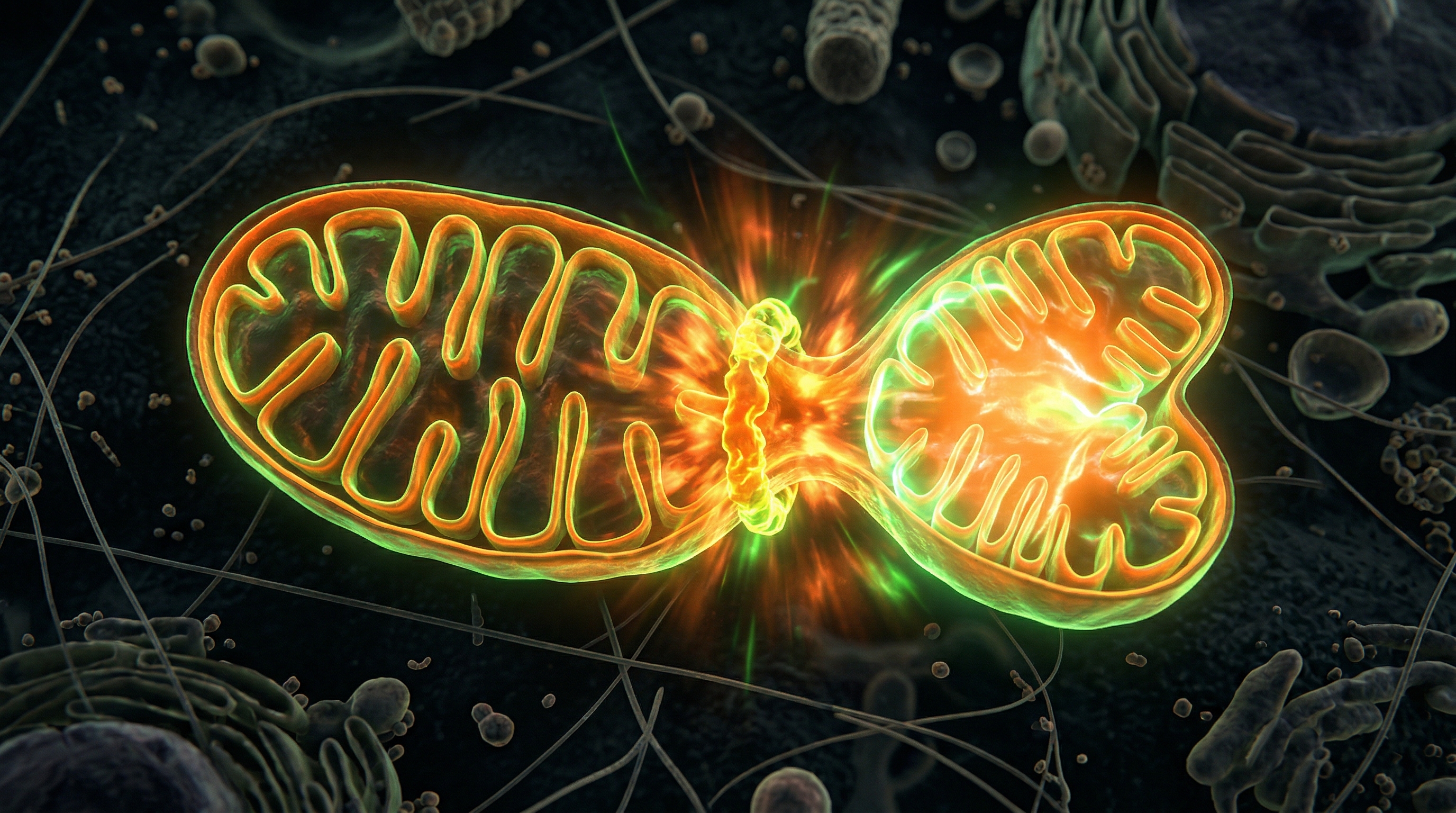
You now know what mitochondria do, what happens when they fail, and why they matter for your brain. But here's the part that changes the game: you can grow new ones. The process is called mitochondrial biogenesis — the creation of new mitochondria within existing cells — and it's one of the most powerful levers you have for improving energy, resilience, and long-term health.
For years, the prevailing assumption was that mitochondrial decline was an inevitable, irreversible consequence of aging. You were born with a certain number, they degraded over time, and there was nothing to be done. That assumption is wrong. Research over the past two decades has revealed that cells retain the capacity to build new mitochondria throughout life — if given the right signals.
The Master Regulator: PGC-1α
At the center of mitochondrial biogenesis sits PGC-1α — a transcriptional coactivator that serves as the master switch for mitochondrial gene expression. When PGC-1α is activated, it coordinates the expression of hundreds of genes across two genomes: the nuclear genome (which encodes most mitochondrial proteins) and the mitochondrial genome (which encodes 13 ETC subunits).
PGC-1α doesn't work alone. It interacts with transcription factors including NRF1 and NRF2 (nuclear respiratory factors), which drive nuclear-encoded mitochondrial genes, and TFAM (mitochondrial transcription factor A), which is imported into mitochondria to regulate mtDNA replication and transcription. Together, this network controls whether a cell maintains, expands, or allows its mitochondrial population to decline.
The signals that activate PGC-1α are, for the most part, forms of stress — but the right kind of stress. Energy depletion, calcium flux, cold, and oxidative challenge all converge on pathways that turn on biogenesis. This is the principle of hormesis: mild, transient stress triggers adaptive responses that make cells stronger.
Exercise: The Gold Standard
No intervention for mitochondrial biogenesis has been studied more extensively than exercise. A 2025 systematic review and meta-analysis of randomized trials confirmed that exercise produces significant molecular and structural mitochondrial adaptations across all major exercise modalities — endurance training, high-intensity interval training (HIIT), and resistance training.
Here's what the research shows:
Endurance Training
Sustained moderate-intensity exercise (running, cycling, swimming) is the classic stimulus for mitochondrial biogenesis. Studies dating back to Holloszy's pioneering work in the 1960s showed that endurance training increases mitochondrial content in skeletal muscle by 50–100%. This adaptation improves fat oxidation, delays glycogen depletion, and increases the muscle's capacity to sustain prolonged effort.
The molecular mechanism is well characterized: muscle contraction increases intracellular calcium (activating CaMK), raises the AMP/ATP ratio (activating AMPK), and generates reactive oxygen species (activating p38 MAPK). All three pathways converge on PGC-1α, which begins increasing within hours of a single exercise bout.
High-Intensity Interval Training
HIIT — alternating bursts of near-maximal effort with recovery periods — has emerged as an especially potent stimulus for mitochondrial biogenesis. Research by Gibala and colleagues demonstrated that just six sessions of HIIT over two weeks increased mitochondrial enzyme activity (citrate synthase) by approximately 20–30% — comparable to changes achieved with much higher-volume endurance training.
HIIT creates rapid, large fluctuations in energy charge and calcium signaling, hitting the biogenesis pathways with high amplitude. A 2018 review in Physiology described HIIT as producing "robust and rapid" mitochondrial adaptations that rival or exceed those of traditional endurance training in time-matched comparisons.
Resistance Training
Though less studied for mitochondrial effects than endurance exercise, resistance training also promotes biogenesis — particularly in type II (fast-twitch) muscle fibers that have lower baseline mitochondrial density. The mechanical stress and metabolic demands of heavy resistance exercise activate mTOR and AMPK signaling, supporting both mitochondrial biogenesis and hypertrophy simultaneously.
How Fast Does It Happen?
Remarkably fast. PGC-1α mRNA expression increases within 1–2 hours of an exercise bout. Measurable increases in mitochondrial protein content can be detected within days. And within 2–4 weeks of consistent training, functional improvements in mitochondrial respiratory capacity are clearly present. This rapid adaptation is a testament to how responsive the biogenesis machinery is.
Fasting and Intermittent Fasting
If exercise is the most studied stimulus for mitochondrial biogenesis, fasting is the second. The logic is straightforward: when cells experience energy deprivation, they activate survival pathways that include building more efficient mitochondria.
The key molecular sensors are:
- AMPK: The AMP-activated protein kinase detects low energy status (high AMP/ATP ratio) and activates PGC-1α, promoting biogenesis. AMPK also promotes mitophagy — clearing damaged mitochondria — ensuring that the new mitochondria being built replace old, inefficient ones.
- SIRT1: The NAD⁺-dependent deacetylase sirtuin 1 is activated during fasting as NAD⁺ levels rise. SIRT1 deacetylates and activates PGC-1α, linking nutrient sensing directly to mitochondrial gene expression.
- Ketone bodies: During fasting, the liver produces β-hydroxybutyrate (BHB), which serves not only as an alternative fuel but also as a signaling molecule that promotes mitochondrial biogenesis and resistance to oxidative stress.
A 2022 study in the International Journal of Molecular Medicine demonstrated that fasting shifts mitochondrial bioenergetics, increases biogenesis markers in liver, muscle, and adipose tissue, and improves function in aging models. A 2024 study in Clinical Nutrition found that intermittent fasting enhances mitochondrial fusion, respiration, and dynamics in monocytes and adipocytes.
Human evidence, while more limited than animal data, is supportive. A 2024 review in Translational Medicine of Aging confirmed that intermittent fasting regulates mitochondrial health markers in humans, though long-term randomized trials are ongoing.
Supplements: Promise and Caution
The supplement industry has seized on mitochondrial biogenesis as a marketing opportunity. But what does the evidence actually support?
NAD⁺ Precursors (NMN and NR)
Nicotinamide mononucleotide (NMN) and nicotinamide riboside (NR) are precursors to NAD⁺, the essential coenzyme for sirtuins and mitochondrial electron transport. NAD⁺ levels decline with age, and restoring them through supplementation activates SIRT1/PGC-1α signaling.
Animal studies are robust: NMN supplementation in aged mice restores NAD⁺ levels, improves mitochondrial function, enhances insulin sensitivity, and extends healthspan. Human data is emerging — NMN and NR raise blood NAD⁺ levels in clinical trials — but large-scale, long-term efficacy studies are still needed.
PQQ (Pyrroloquinoline Quinone)
PQQ is a redox cofactor that has been shown in animal studies to stimulate mitochondrial biogenesis through PGC-1α activation and to exert potent antioxidant effects. A 2025 review in Ageing Research Reviews highlighted PQQ's anti-aging benefits in preclinical models. However, human clinical data remains limited, and optimal dosing is uncertain.
Resveratrol
Resveratrol, the polyphenol found in red wine, activates SIRT1 — the same NAD⁺-dependent deacetylase activated by fasting. A review in Antioxidants (2022) showed that resveratrol improves mitochondrial respiration and oxygen consumption in aged animal models, with synergistic effects when combined with NAD⁺ precursors or CoQ10.
Coenzyme Q10
CoQ10 is an essential electron carrier in the ETC. While CoQ10 supplementation primarily supports existing mitochondrial function rather than triggering biogenesis per se, it's a necessary cofactor that becomes more important as endogenous production declines with age. Combined with resveratrol, CoQ10 has shown promise for ameliorating age-related mitochondrial decline.
Urolithin A
Urolithin A, a metabolite produced by gut bacteria from ellagitannins (found in pomegranates and walnuts), has emerged as a potent mitophagy activator. By promoting the clearance of damaged mitochondria, it creates space and signaling context for biogenesis. Clinical trials in older adults have shown improved muscle endurance and mitochondrial gene expression.
A word of caution: Most supplement evidence for mitochondrial biogenesis comes from preclinical (animal) studies. Human randomized controlled trials are limited for many compounds. Supplements should be viewed as supportive tools, not replacements for the foundational interventions of exercise and nutrition. Quality and dosing vary enormously between products.
Red Light Therapy (Photobiomodulation)
Photobiomodulation (PBM) — exposure to red (600–700nm) and near-infrared (700–1000nm) light — has a unique relationship with mitochondria. Unlike exercise or fasting, which trigger biogenesis through signaling cascades, PBM acts directly on the mitochondrial electron transport chain.
The primary target is cytochrome c oxidase (Complex IV), which absorbs photons in the red and near-infrared spectrum. This absorption has several effects:
- Enhanced electron flow: Photon absorption helps displace inhibitory nitric oxide from Complex IV, restoring electron transport and increasing ATP production by an estimated 30–50%.
- Reduced ROS: By improving the efficiency of electron transfer, PBM reduces electron leakage and superoxide production.
- Signaling cascades: The mild transient increase in ROS (at low PBM doses) can act as a hormetic signal, activating NF-κB, MAPK, and downstream PGC-1α pathways that promote biogenesis.
A foundational 2018 review in Annals of Translational Medicine established the mechanism of PBM on mitochondrial function. A 2020 study in Scientific Reports confirmed that red/near-infrared light increases ATP production and modulates mitochondrial dynamics. Emerging animal evidence suggests that repeated PBM sessions promote PGC-1α upregulation and biogenesis in brain, retinal, and muscle tissue.
Human clinical data is promising but preliminary. Trials have shown benefits for wound healing, muscle recovery, cognitive function in mild cognitive impairment, and age-related macular degeneration. Optimal protocols typically involve 660–850nm wavelengths at fluences of 10–20 J/cm², applied 3–5 times per week. But direct evidence for PBM-induced mitochondrial biogenesis (as opposed to functional improvement of existing mitochondria) in humans is still developing.
The Synergy Question: Combining Interventions
One of the most exciting areas of research is the potential for synergistic effects between mitochondrial biogenesis stimuli. Consider:
- Exercise + fasting: Both activate PGC-1α through overlapping but distinct pathways (AMPK from exercise, SIRT1 from fasting). Some studies suggest combining time-restricted eating with exercise training produces greater mitochondrial adaptations than either alone.
- Cold + exercise: As discussed in our earlier post, cold and exercise activate complementary pathways (β-adrenergic vs. calcium/AMPK), with additive effects on mitochondrial gene expression.
- PBM + exercise: Red light therapy applied before or after exercise may enhance mitochondrial recovery and adaptation, though human data is still early.
- NAD⁺ precursors + resveratrol: Boosting NAD⁺ availability while activating SIRT1 creates a powerful combination for PGC-1α activation.
The concept of "mitohormesis" — using mild mitochondrial stress to trigger adaptive resilience — unites these approaches. Each intervention nudges the biogenesis machinery. Together, they may produce results greater than the sum of their parts.
A Practical Framework
If you're looking to support mitochondrial biogenesis based on the current evidence, here's a prioritized approach:
- Tier 1 — Strong evidence: Regular exercise (both endurance and HIIT), adequate sleep (when mitophagy and repair are most active), and nutrient-dense whole-food nutrition.
- Tier 2 — Good evidence, growing human data: Intermittent fasting or time-restricted eating, cold exposure, stress management (chronic psychological stress impairs mitochondrial function).
- Tier 3 — Promising, mostly preclinical: NAD⁺ precursors (NMN/NR), PQQ, resveratrol, urolithin A, red light therapy.
The takeaway: Mitochondrial biogenesis is not a fringe concept — it's a fundamental cellular process with decades of research behind it. The most powerful levers are also the simplest: move your body regularly, eat well, sleep enough, and expose yourself to appropriate stressors. Supplements and light therapy can play supporting roles, but they work best on a foundation of good biology. Your mitochondria are ready to grow. Give them the signal.
References
- Hood DA et al. "Maintenance of Skeletal Muscle Mitochondria in Health, Exercise, and Aging." Annual Review of Physiology, 2019;81:19-41.
- Porter C et al. "The Impact of Exercise on Mitochondrial Biogenesis in Skeletal Muscle." Frontiers in Physiology, 2017;8:713.
- Robinson MM et al. "Enhanced Protein Translation Underlies Improved Metabolic and Physical Adaptations to Exercise Training." Cell Metabolism, 2017;25(3):521-532.
- Systematic review and meta-analysis of exercise and mitochondrial biogenesis. PubMed, 2025. PMID: 40459444.
- López-Lluch G, Navas P. "Calorie Restriction as an Intervention in Ageing." Journal of Physiology, 2016;594(8):2043-2060.
- Li H et al. "Intermittent Fasting Promotes Mitochondrial Biogenesis and Improves Metabolic Health." International Journal of Molecular Medicine, 2022;50(5):128.
- Madeo F et al. "Spermidine in Health and Disease." Science, 2018;359(6374):eaan2788.
- Chini CCS et al. "NAD⁺ Precursors in Mitochondrial Health and Aging." Journal of Biological Chemistry, 2021;296:100567.
- Stacpoole PW et al. "Resveratrol and Mitochondrial Function." Antioxidants, 2022;11(11):2146.
- Hamblin MR. "Mechanisms and Applications of the Anti-Inflammatory Effects of Photobiomodulation." AIMS Biophysics, 2017;4(3):337-361.
- Salehpour F et al. "Brain Photobiomodulation Therapy: A Narrative Review." Molecular Neurobiology, 2018;55(8):6601-6636.
- Sommer AP et al. "Red Light-Enhanced ATP Production." Scientific Reports, 2020;10:19433.
- Ryu D et al. "Urolithin A Induces Mitophagy and Prolongs Lifespan in C. elegans." Nature Medicine, 2016;22(8):879-888.